
Книги
Aeronaut
T.Finnegan
Shooting The Front. Eastern Operations
49
T.Finnegan - Shooting The Front. Eastern Operations /Aeronaut/ (2)
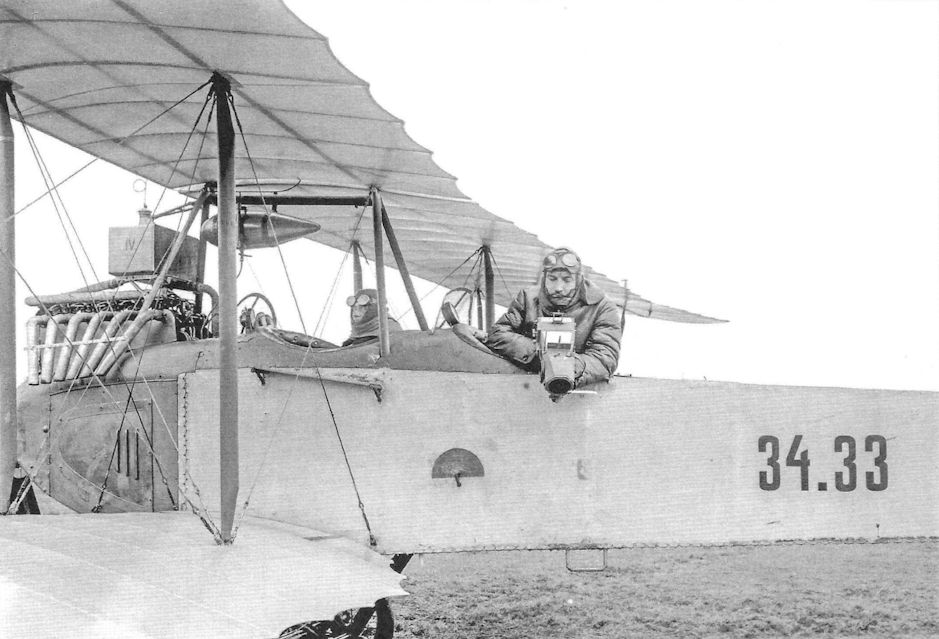
FLIK 13 aerial observer operating from an Aviatik B.II 34.33 demonstrates how the Zeiss pistol grip was handled during a sortie.
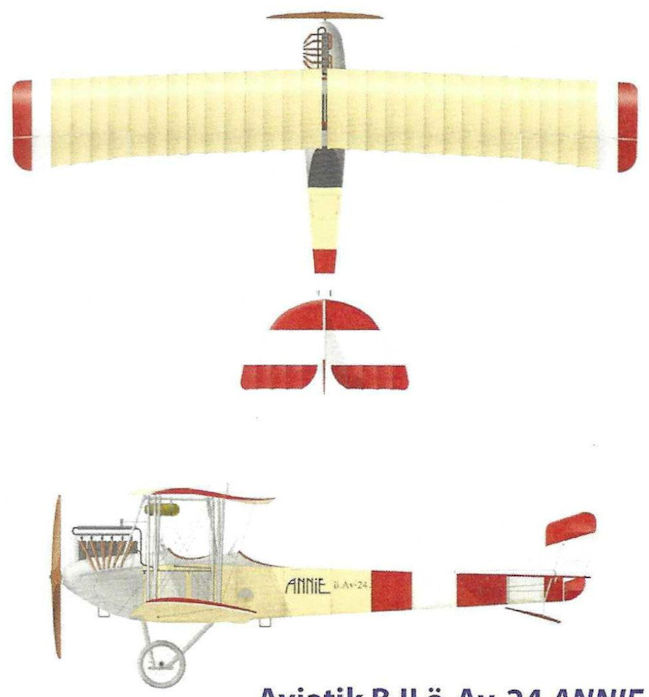
Aviatik B.II o-Av-24 ANNIE April 1915

The continued superb performance of Emil Uzelac leading k.u.k. Luftschifferabteilung throughout the war finally gained recognition with the well-deserved promotion to k.u.k. Oberst on 1 November 1914.
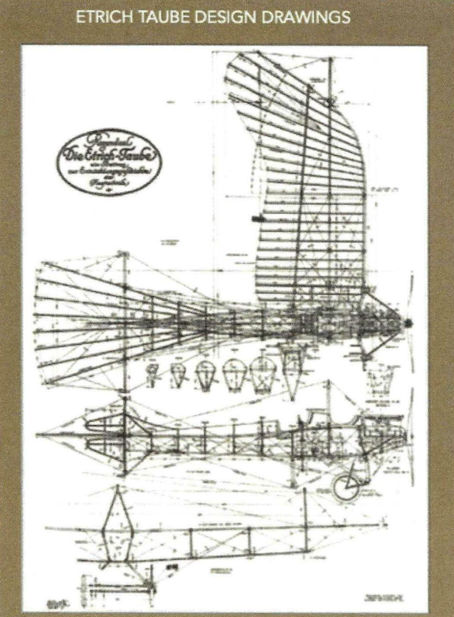
The first aeroplane type committed for purchase by Austria-Hungary War Ministry in 1911 was Germany's Etrich Taube. A schematic shows the design details.

K.u.k. Hauptmann Kahlen commanded FLIK 10 and provided a postwar history of aviation operations of the Gorlice-Tarnow offensive.
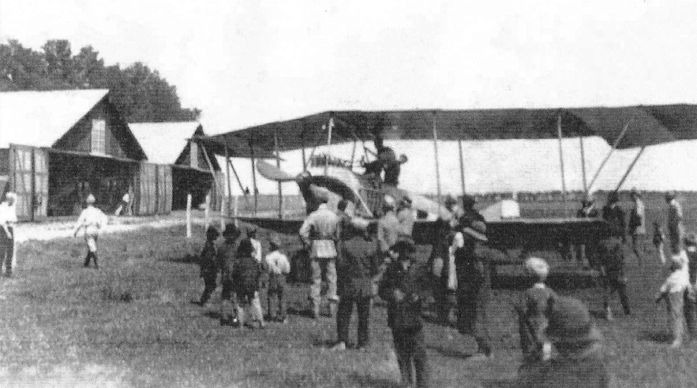
k.u.k. Oberstleutnant Emil Uzelac demonstrated leadership throughout working with seniors in government, representing aviation issues to k.u.k. Armee generals and most important working directly with his people, personally flying to their units such as Przemysl.
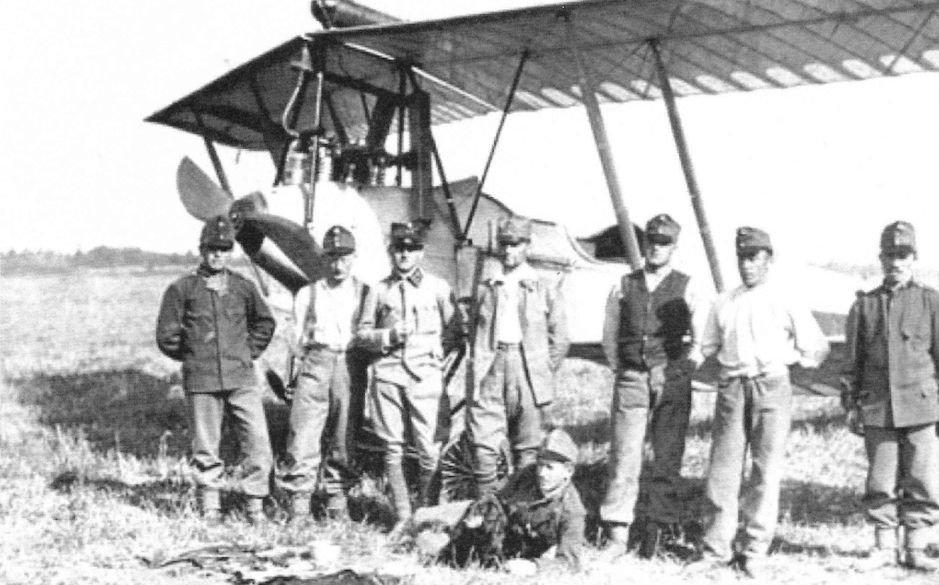
Lohner B.I was instantly outdated at the time war broke out and was quickly replaced by more capable German aeroplanes that were quickly delivered.
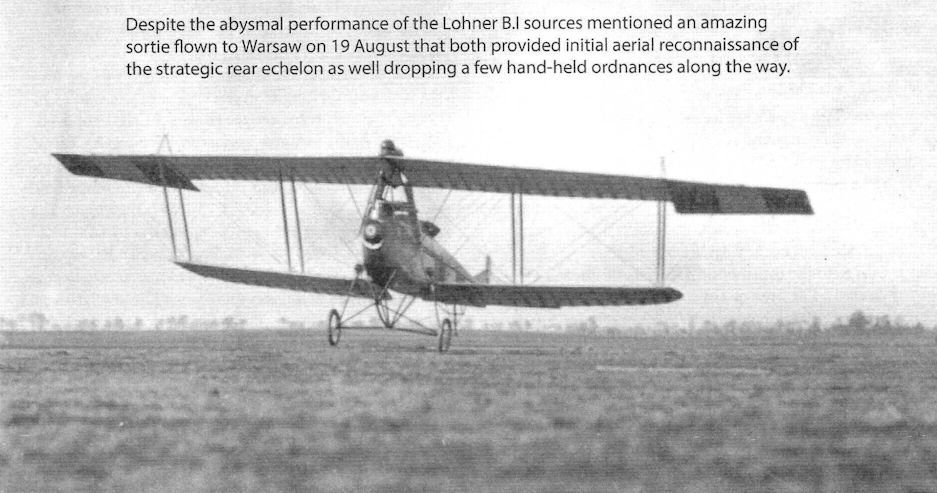
Despite the abysmal performance of the Lohner B.I sources mentioned an amazing sortie flown to Warsaw on 19 August that both provided initial aerial reconnaissance of the strategic rear echelon as well dropping a few hand-held ordnances along the way.

Mercedes-powered Albatros B.I(OAW) photographed on the Eastern Front in Poland and issued as a Sanke card.
Germany's Albatros B.I was acquired by k.u.k. Luftschifferabteilung prior to the war and was assigned to one FLIK. It became the replacement aeroplane for FLIK's as the Lohner B.I and Lohner B.II quickly wore out.
Germany's Albatros B.I was acquired by k.u.k. Luftschifferabteilung prior to the war and was assigned to one FLIK. It became the replacement aeroplane for FLIK's as the Lohner B.I and Lohner B.II quickly wore out.
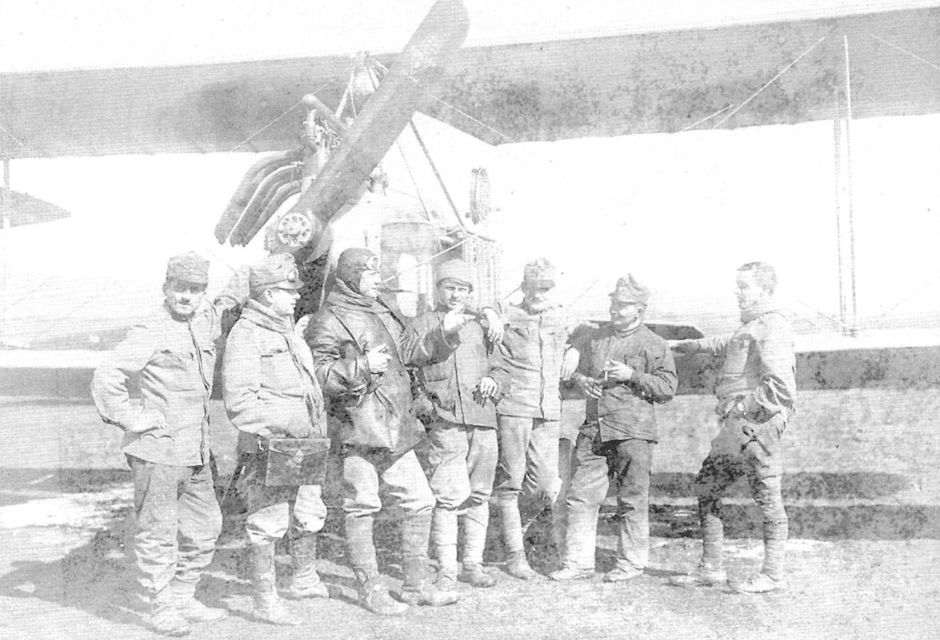
K.u.k. Uzelac's leadership in advancing aviation's role was clearly evident with the operational development of aeroplanes to employ wireless to work directly with artillery. It served as a breakthrough for one of the most important functions performed by aviation in the war. FLIK 1's Albatros B.I No.7 "MUZZL" was first to have wireless on the Russian front.
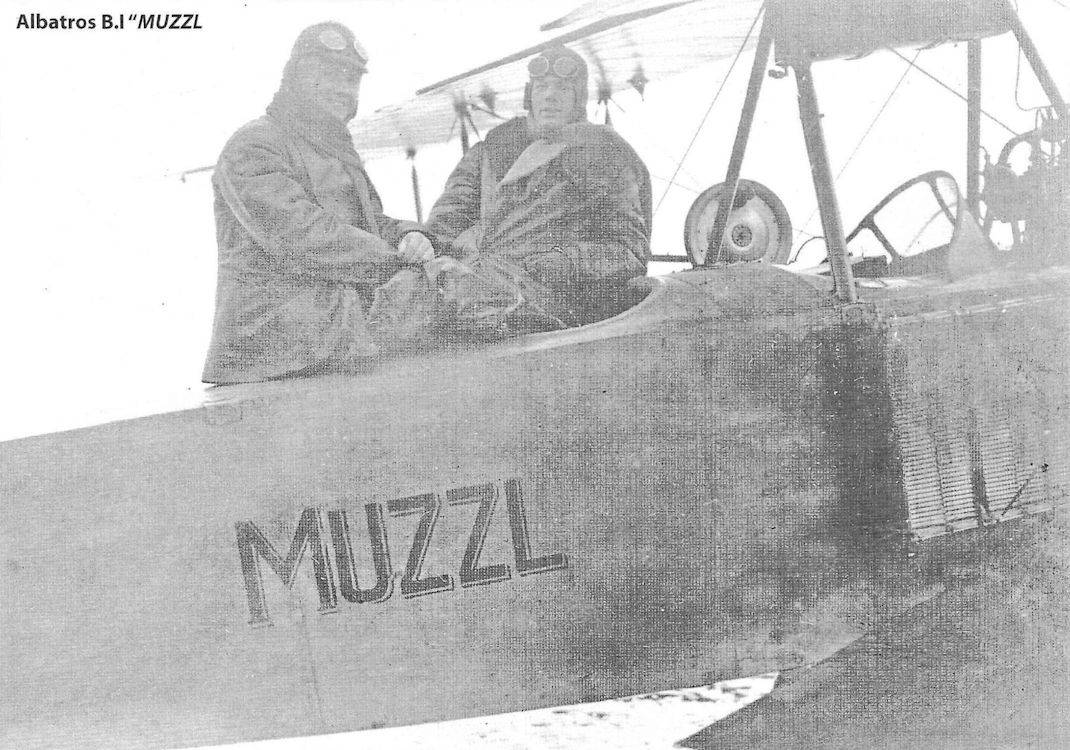
Albatros B.I "MUZZL"

K.u.k. Oberleutnant Jindra commanded FLIK 1 and was noted for his success as an ace with nine combat victories flying two-seater aeroplanes.
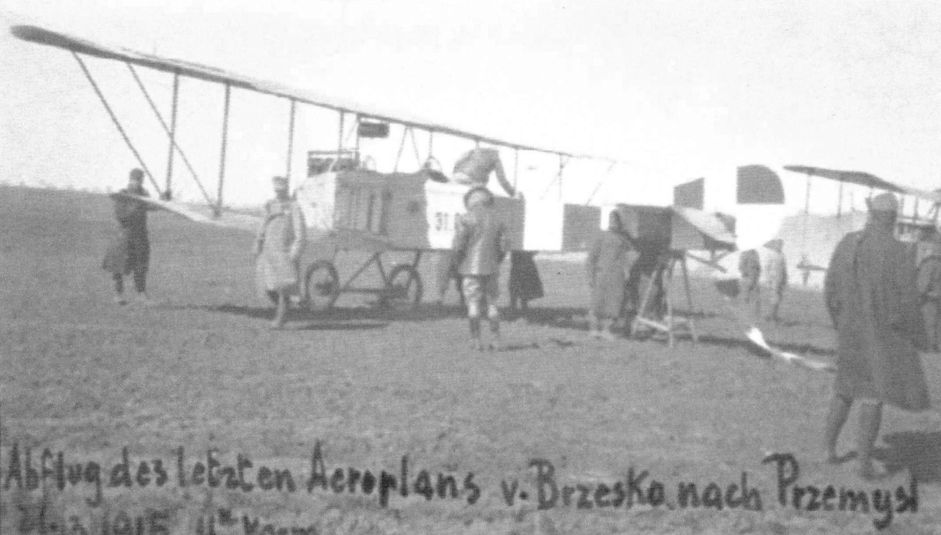
The last FLIK 11 aeroplane being readied to depart Przemysl on 15 March.
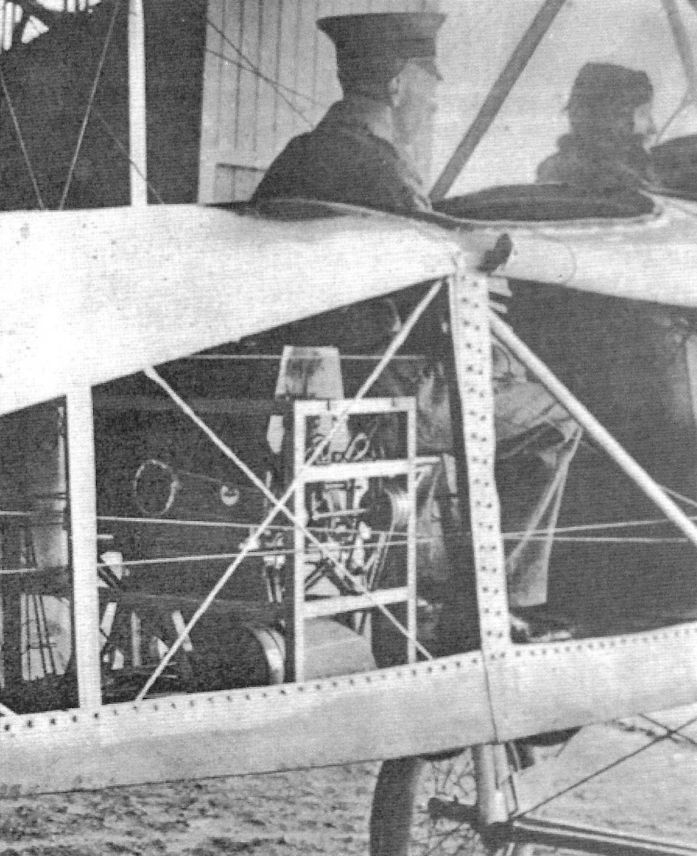
Due to the large size the Reihenbildner aerial camera required being located behind the observer's cockpit and remote controlled.
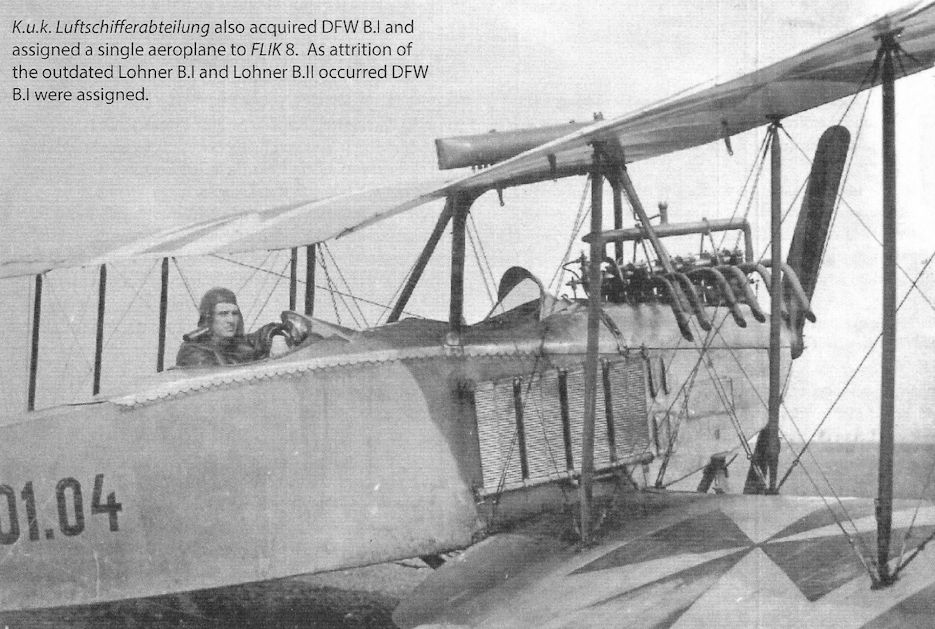
K.u.k. Luftschifferabteilung also acquired DFW B.I and assigned a single aeroplane to FLIK 8. As attrition of the outdated Lohner B.I and Lohner B.III occurred DFW B.I were assigned.
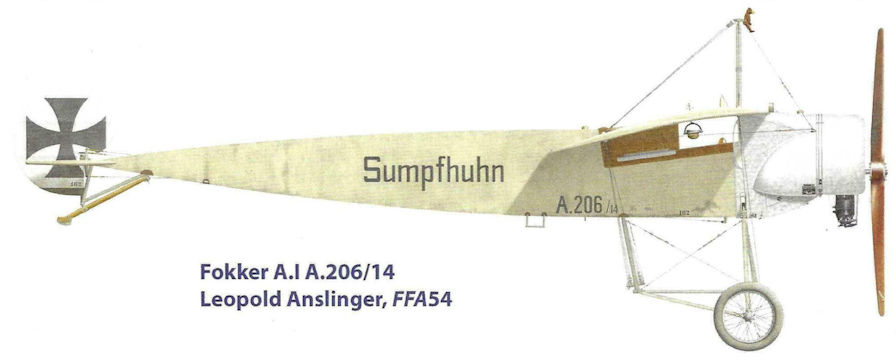
Fokker A.I A.206/14, Leopold Anslinger, FFA54
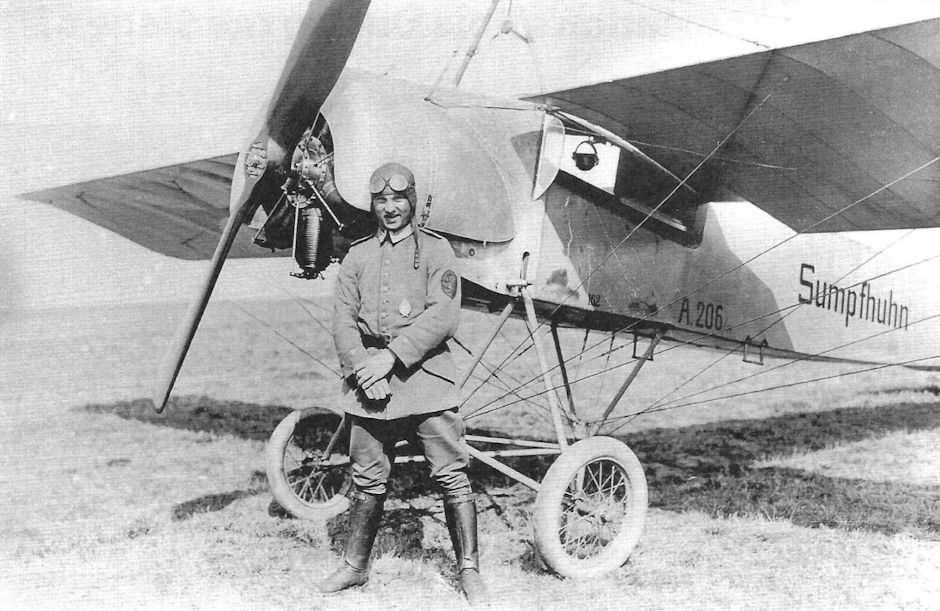
Vizefeldwebel (enlisted rank) Leopold Anslinger in front of his Fokker A.I 206/14 of FFA54 on the Eastern Front. Leopold Anslinger was one of FFA 54's best pilots. He was selected to introduce Artillerieflieger sorties to the Southern Front region. His skill became well known and he flew newly deployed aeroplanes such as the Fokker A.I, one of the first of Anthony Fokker's incredible line of aeroplanes that influenced aviation for the second half of the Great War.
Another view of A.206/14 Sumpfhuhn with pilot Leopold Anslinger that clearly shows the underwing 'windows' for good downward visibility.
Class A aircraft were unarmed monoplanes, both one and two seat. Most A-types were the Taube configuration, but there were also Fokker (shown here) and Pfalz A-types.
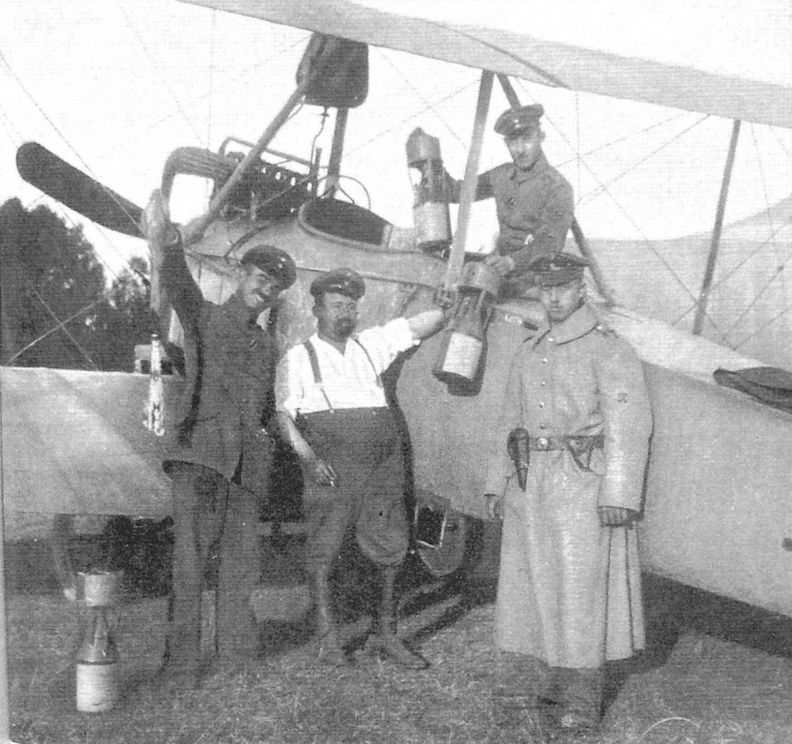
Leutnant Schilling's insight about aviation at the Eastern Front clarified what Fliegertruppe experienced on a daily basis. Schilling is featured in the cockpit with an aerial bomb intended for an upcoming mission. Oberstleutnant Stutter to the left piloted the LVG В 321 that safely accomplished the missions Schilling described. The ground crew of Kucke and Keutmann added to the team that made each sortie possible.
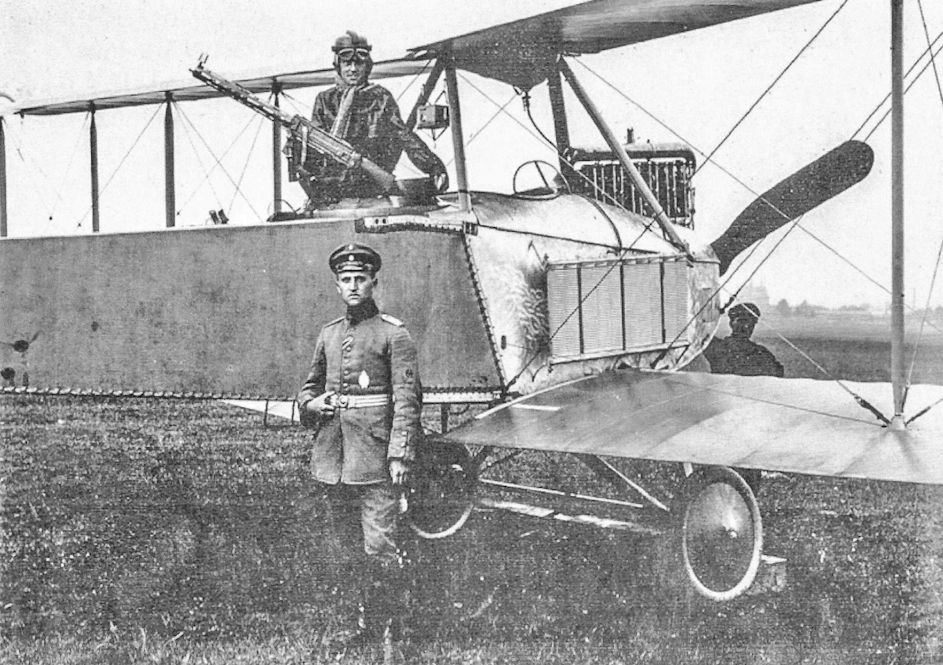
BAO formed an elite group of Fliegertruppe aviators that pressed the attack in all their mission assignments. The aircraft is an armed LVG B.І.
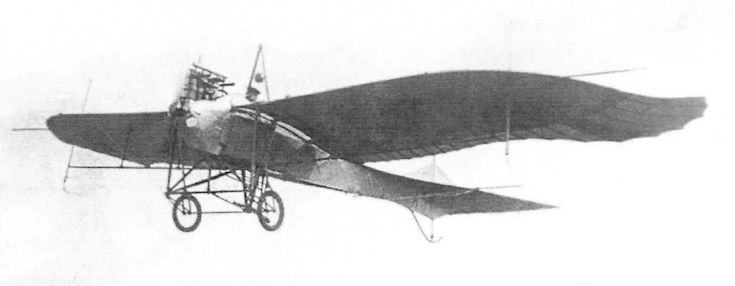
Etrich Taube.
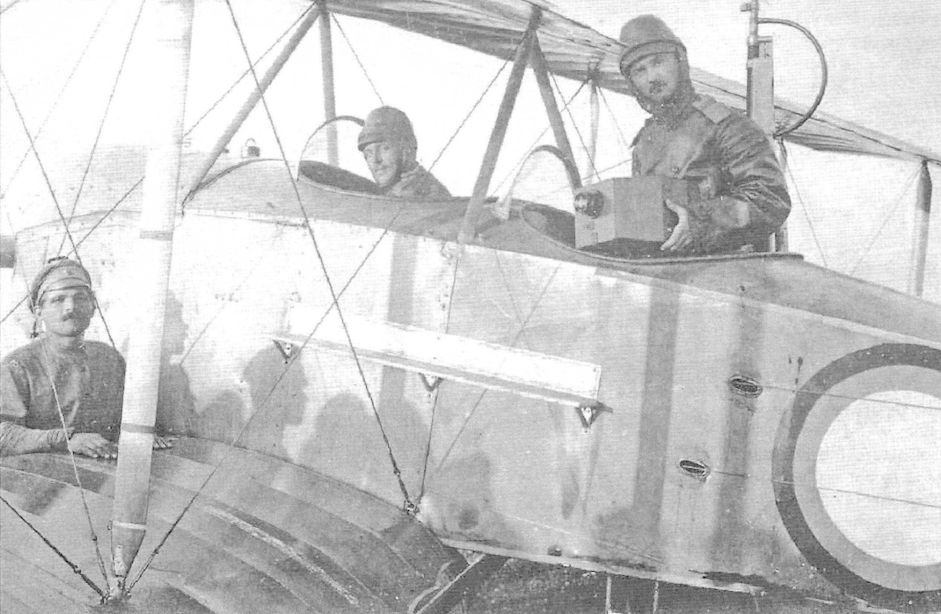
The Potte film camera provided RIVVF aerial reconnaissance with a stream of images ideal for surveillance of a sector. Members of 11th KAO ready for their sortie in an Anade hold a Potte aerial camera.
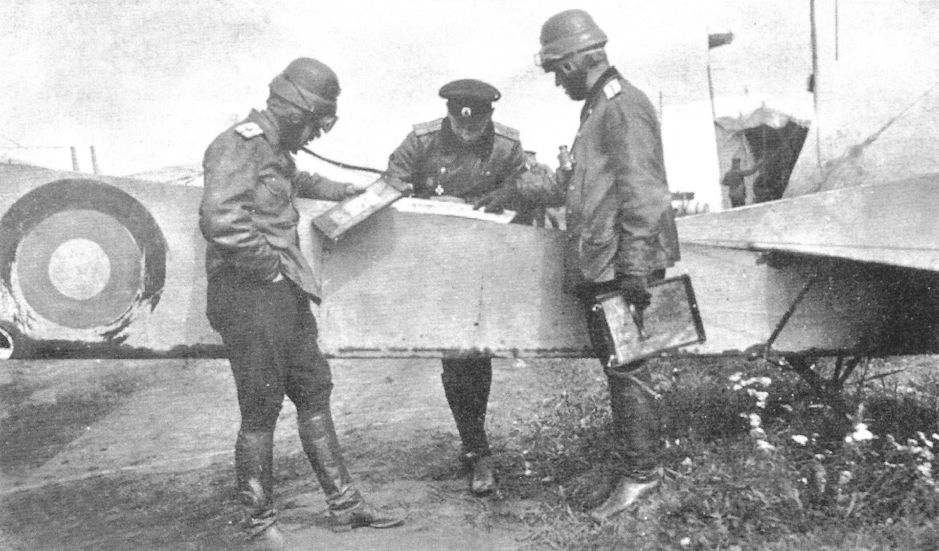
Aviators assigned to 16th KAO supporting Gen.kav Brusilov's Eighth Army are getting final guidance from their commander, Shtabs-kapitan Boris Goncharov. Their aeroplane is a Sikorsky S-12bis, a rare example of a Russian designed single engine aeroplane that operated in the first year of the war.
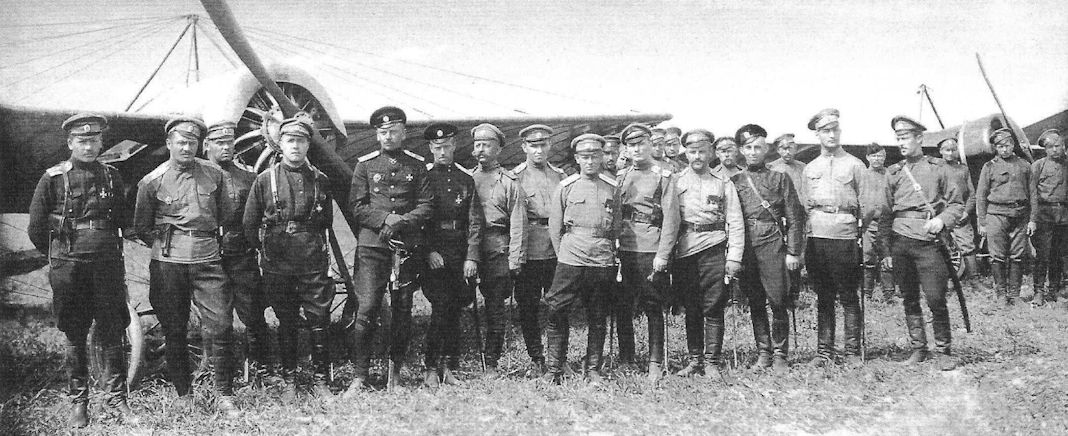
Aviators and aeroplanes of the 16th KAO, July 20, 1915. Sikorsky S-12A and Morane-Saulnier type G aeroplanes form the background.
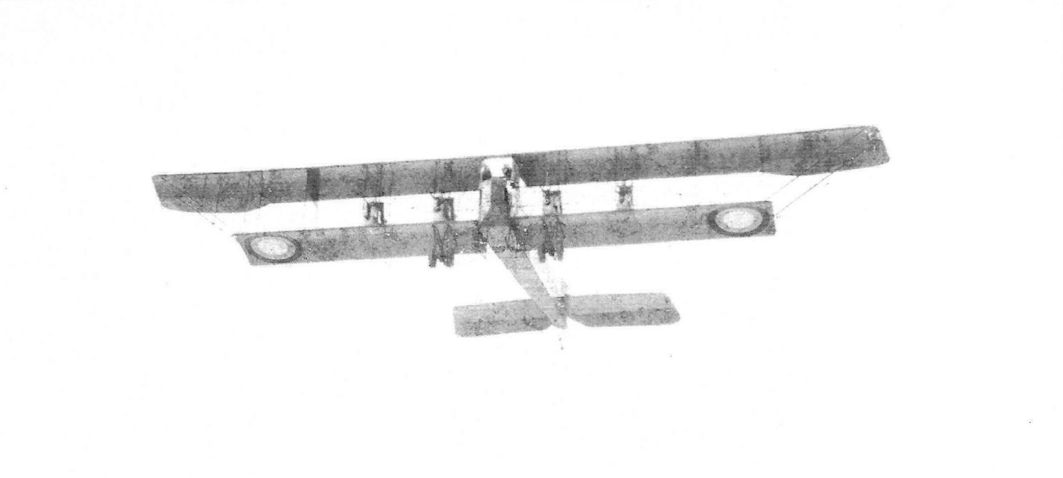
Voyennyy Letchik Poruchik Bashko deployed with IM Kievskiy to Poruchik Lemberg in support of Russian efforts to defend against the advancing 11. Armee.
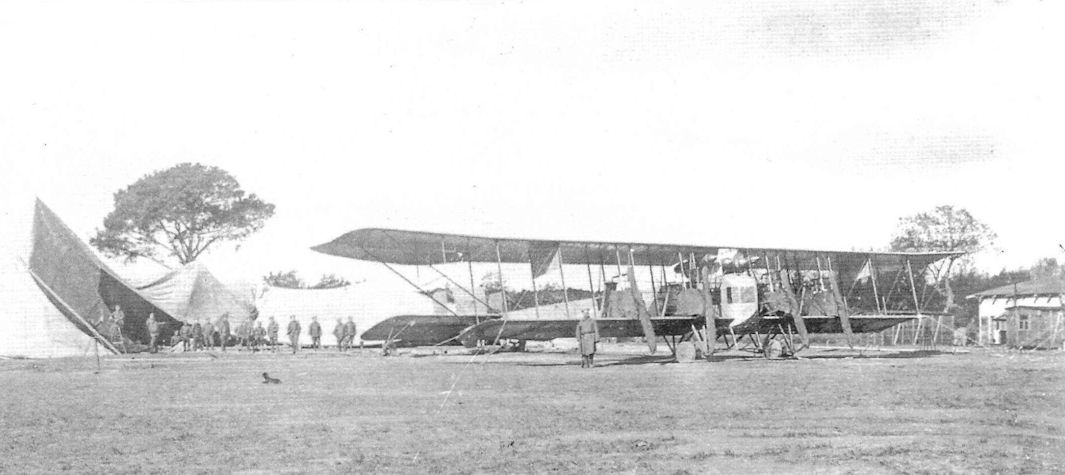
Il'ya Muromets (IM) Kievskiy flew out of Yablonna providing valuable strategical reconnaissance of Armee and k.u.k. Armee forces until the successful campaign by Armeegruppe Gallwitz approached Warsaw.
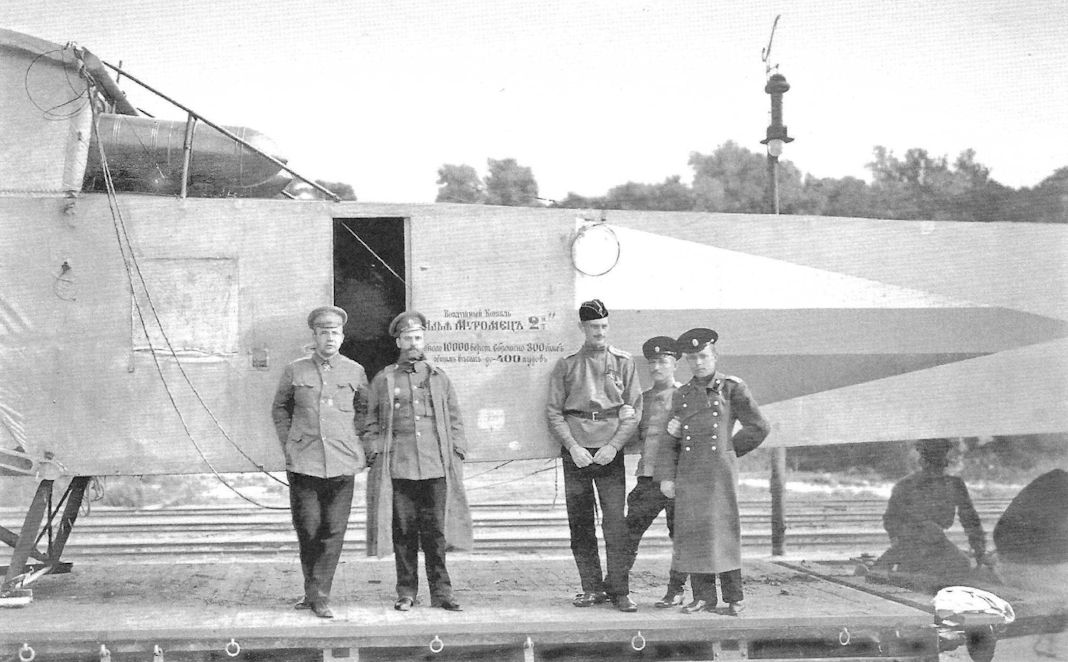
«ИМ» №167 в июле 1916 г. при отправке в тыл. На борту надпись, свидетельствующая о боевых успехах: «Воздушный корабль Илья Муромец 2-й. Налетал около 10 000 верст, сброшено 300 бомб, общим весом до 400 пудов»
The crew of the IM-2, with the fuselage on a flat car. Left to right are, Poruchik Smirnov, temporarily assigned; Stabs-Kapitan Pankrat'yev, commander; Stabs-Kapitan Nikolsky, deputy commander; Poruchik Federov, military pilot; and Poruchik Pavlov, military pilot and gunner, Date and location unknown, although the aircraft is most likely a type 'Veh.'
Shtabs-Kapitan Nicolsky in the center of fellow aircrew in front of the newly retired IM-II, wrote a detailed account of Il'ya Muromets operations describing aerial reconnaissance and aerial bombing procedures. Podporuchik Pankratyev is to the right of Nicolsky. IM-II flew missions up to May 1916 and dropped over 6.5 metric tons of ordnance.
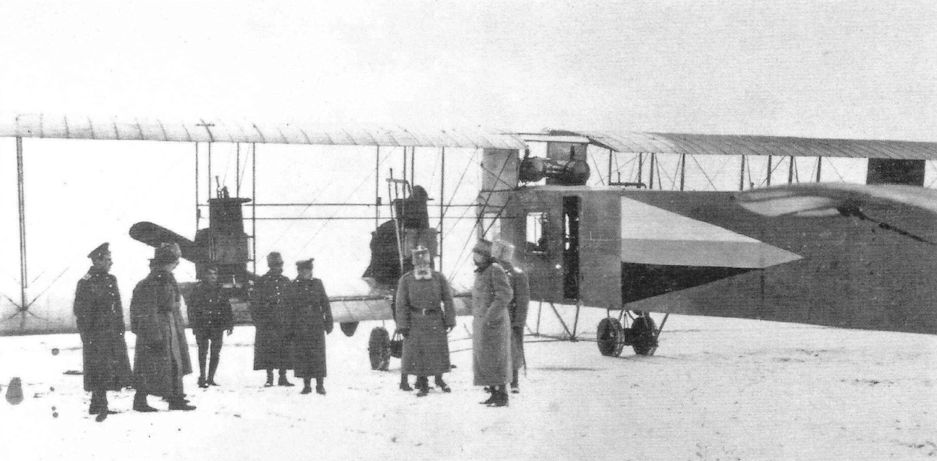
Grand Duke Mikhailovich and Genmai Shidlovskiy converse on Il'ya Muromets operations.
Grand Duke Alexander Mikhailovich (second from right), was appointed by Nicholas II to head Russian military aviation in World War One. The grand duke is pictured here inspecting the Il'ya Muromets (ship No.1) at Yablonna in 1915. To the left of the grand duke is General M. V. Shidlovskiy, commander of the EVK.
Grand Duke Alexander Mikhailovich (second from right), was appointed by Nicholas II to head Russian military aviation in World War One. The grand duke is pictured here inspecting the Il'ya Muromets (ship No.1) at Yablonna in 1915. To the left of the grand duke is General M. V. Shidlovskiy, commander of the EVK.
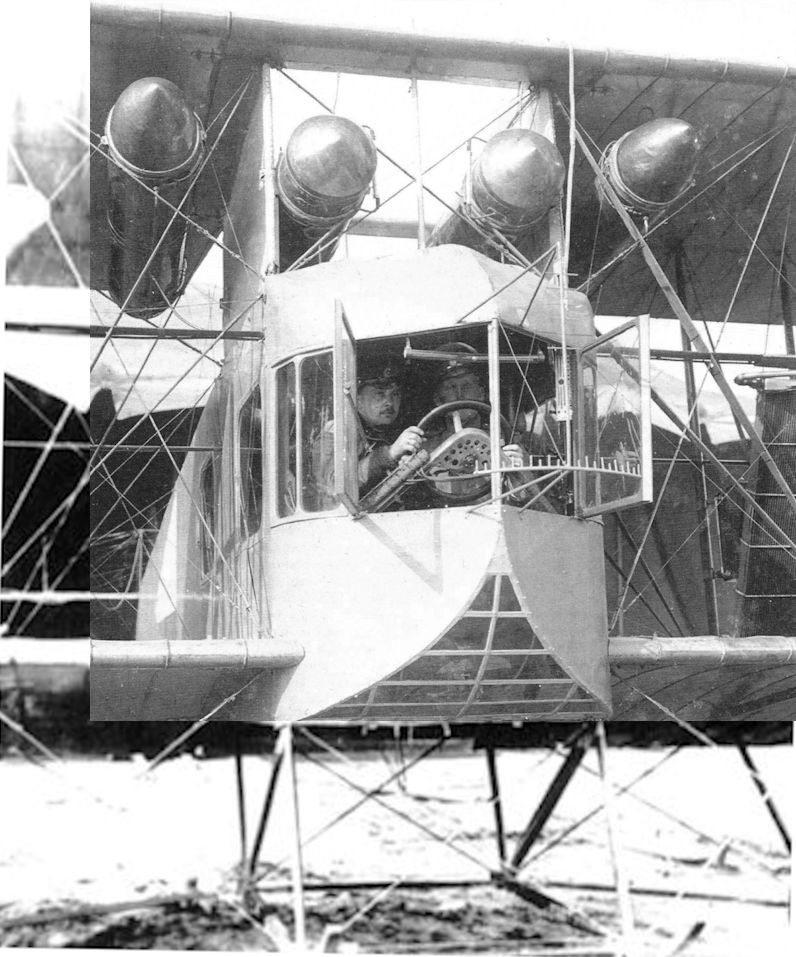
Shtabs-Kapitan Gorshkov as EVK operations chief came to Lemberg and assisted Bashko in planning and executing strategical missions required to support Third Army. They are both holding the steering wheel of IM-Kievskiy in the photo.
The Kievskiy's glazed flooring, illustrated in this photograph, gave the ship's pilot a great advantage in navigating.
The Kievskiy's glazed flooring, illustrated in this photograph, gave the ship's pilot a great advantage in navigating.
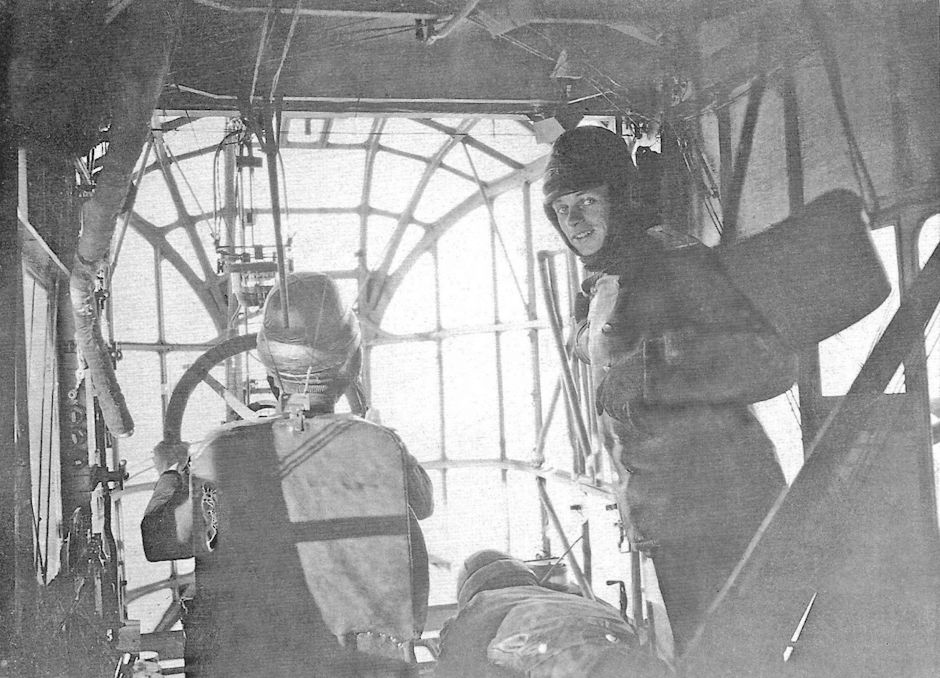
A rare look at the forward cockpit of the Il'ya Muromets in flight. The engineer is in the process of taking an aerial photograph. The Il'ya Muromets was the most aeroplane dedicated to strategical reconnaissance on the Eastern Front.
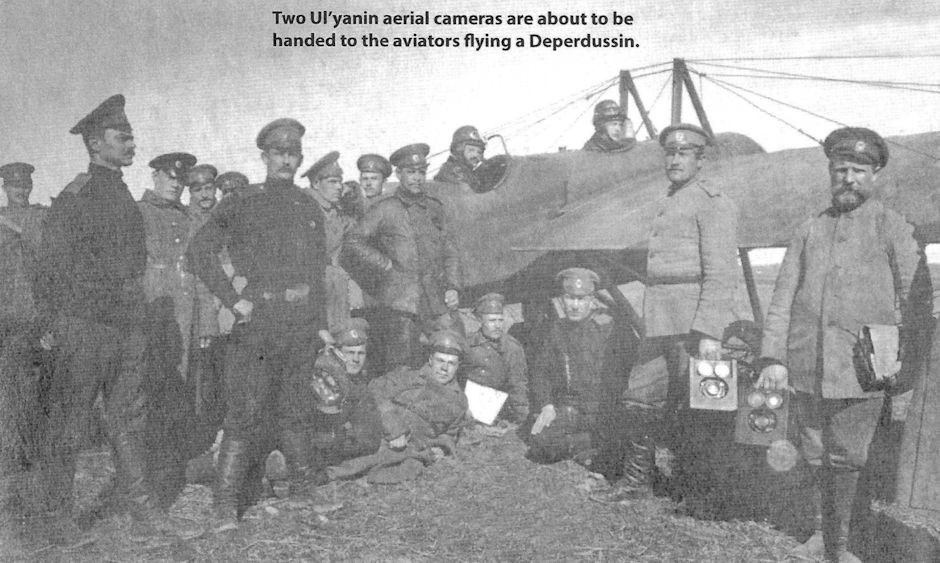
Two Ul'yanin aerial cameras are about to be handed to the aviators flying a Deperdussin.
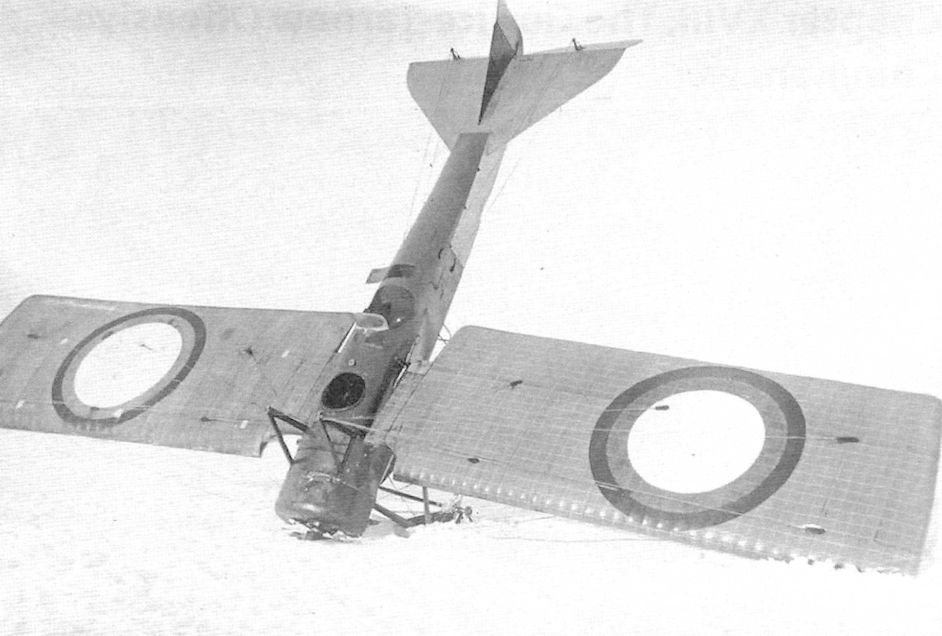
A top-down view of a Depperdussen aeroplane. Unfortunately, the pilot experienced a mishap on the landing.
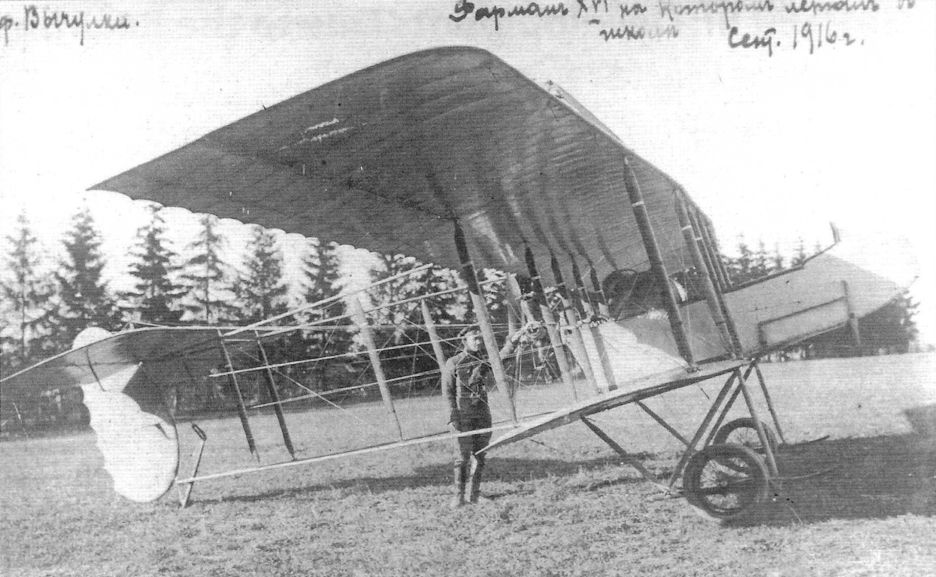
Both Henri Farman HF.16 (shown) and HF.22 were perfectly designed for aerial observation with the observer having an unlimited view. Its design flaw was insufficient protection against the evolving enemy pursuit aeroplanes. Both of the aircraft pictured were in Russian service.
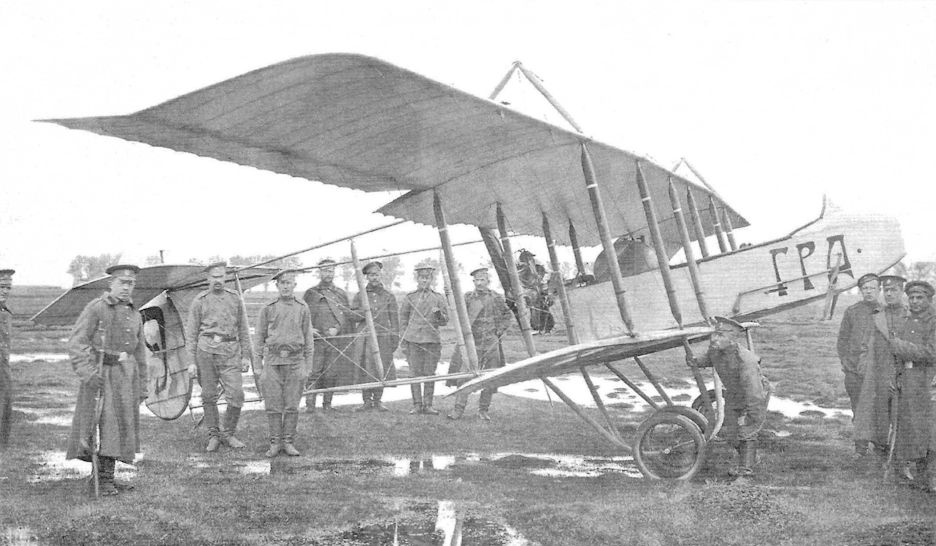
Both Henri Farman HF.16 and HF.22 (shown) were perfectly designed for aerial observation with the observer having an unlimited view. Its design flaw was insufficient protection against the evolving enemy pursuit aeroplanes. Both of the aircraft pictured were in Russian service.
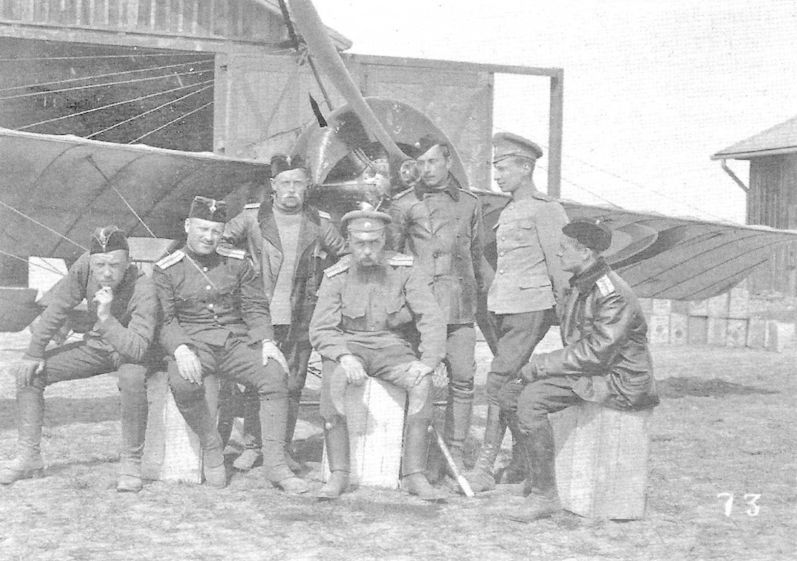
Voyennyy Letchik Alexander Stepanovich Voronikov with ground crew and colleagues in front of their Morane-J aeroplane at Przemysl in early 1915. They look exhausted from the continual operation determining Armee and k.u.k. Armee intentions.
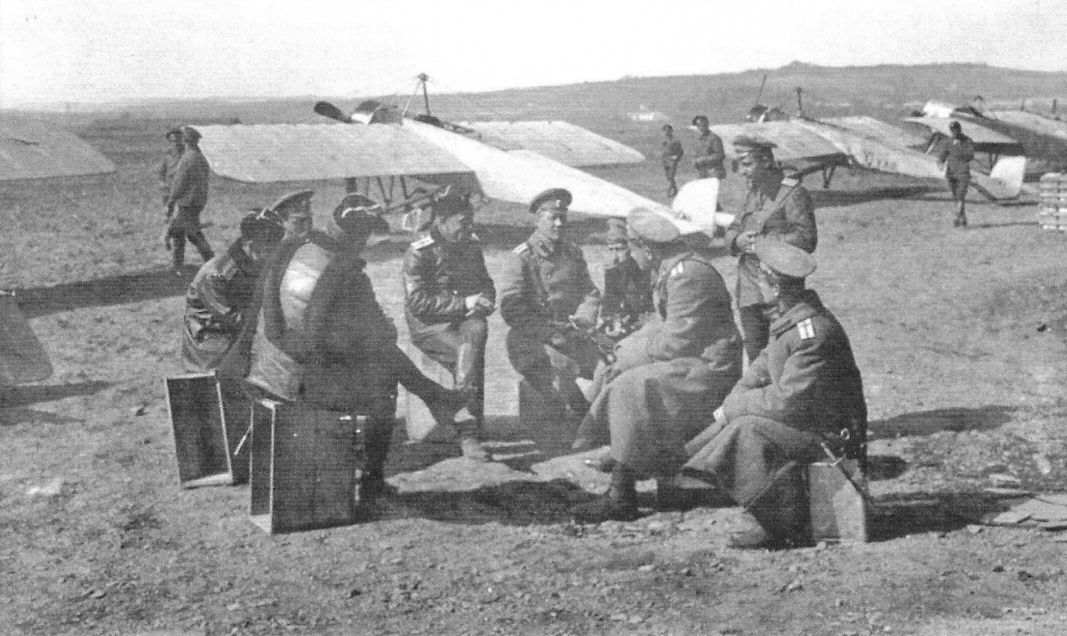
Morane-Saulnier G line-up of 11 KAO at Gorlice.
Aviators and aeroplanes of the 16th KAO, July 20, 1915. Sikorsky S-12A and Morane-Saulnier type G aeroplanes form the background.
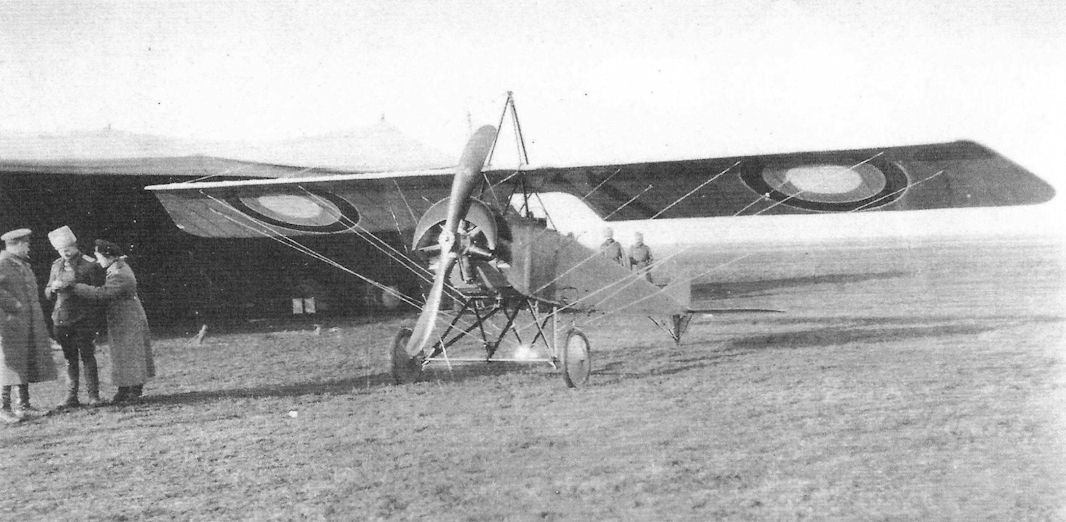
At this stage of the war new aeroplanes arrived to replace aging airframes. The Morane Parasol was an improvement for aerial reconnaissance giving the pilot more visibility to observe the landscape. This variant was assigned to the 30th KAO in the Chocim sector.
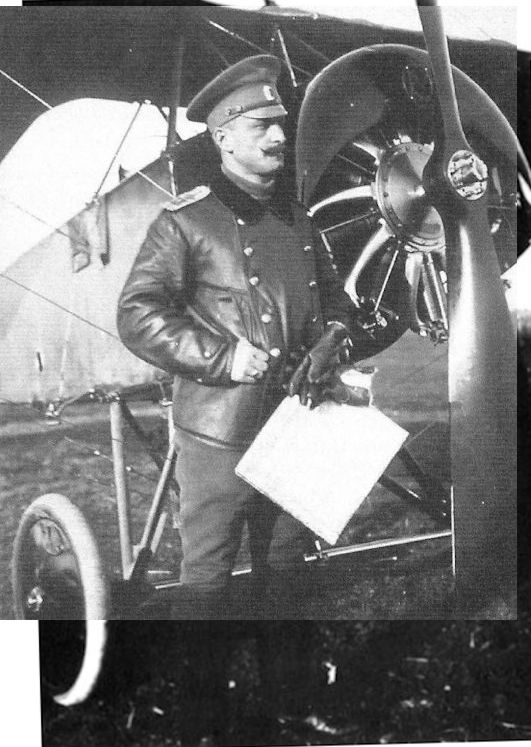
Voyennyy Letchik Pod'Esaul Tkachev.
Esaul (Cossack Captain) Tkachev posing in front of his faithful mount, a Morane-Saulnier L Parasol.
Esaul (Cossack Captain) Tkachev posing in front of his faithful mount, a Morane-Saulnier L Parasol.

Tkachev preparing for a mission in his Morane-Saulnier L Parasol, possibly during the summer of 1916, when he commanded the 11th Army Air Detachment assigned to the 11th Army under the command of General Sakharov. For his aerial exploits during the Brusilov offensive, June through September, 1916, he was awarded the Golden Sword of Saint George.
The greatest RIVVF aerial reconnaissance aviator in the war was Voyennyy Letchik Pod'Esaul Tkachev. He exemplified what aerial reconnaissance required both flying and providing timely products and information to Russian army decision makers. Here he consults with a colleague on ongoing operation requirements.
The greatest RIVVF aerial reconnaissance aviator in the war was Voyennyy Letchik Pod'Esaul Tkachev. He exemplified what aerial reconnaissance required both flying and providing timely products and information to Russian army decision makers. Here he consults with a colleague on ongoing operation requirements.
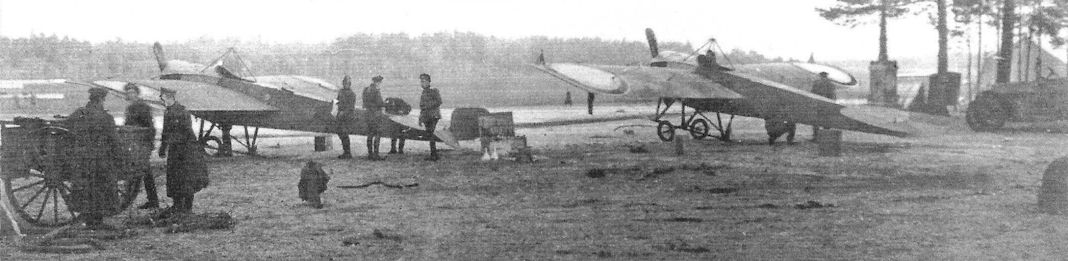
Two Nieuport IV from 15th KAO being serviced for the next missions.
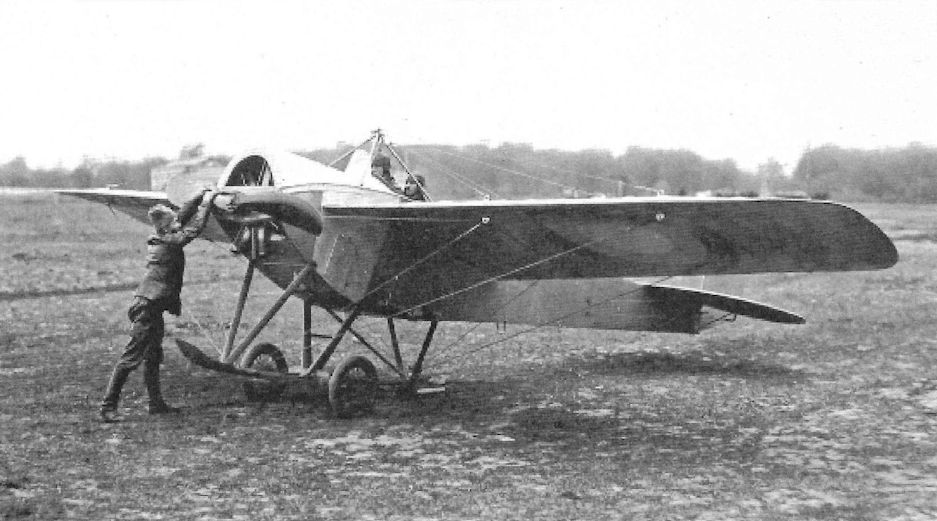
French-designed Nieuport IV was the primary aerial reconnaissance aeroplane for RIVVF in the first year of the war. This Dux factory-produced Nieuport IV flew with 12th KAO in 1915 supporting Gen.kav Brusilov's Eighth Army.
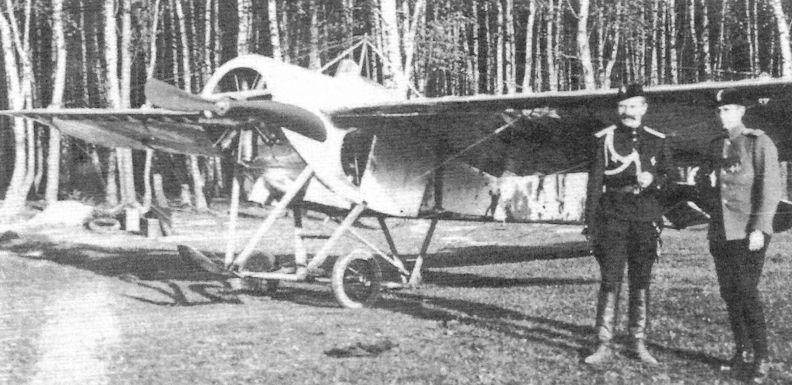
Nieuport IV built at the Dux factory in Moscow became the standard model for most units of the RIVVF. 15th KAO supporting 28th Army Corps operated out of Kreitzburg. Poruchik Alexander Anikievich Chekhutov, adjutant of the 15th KAO, and one of the pilots, Starshiy Unter-Ofitser Sergei Chistokletov, discuss operations.

Voyennyy Letchik Pod' Esaul Tkachev's reputation as an exceptional aviator drew him to others of significance serving RIVVF. Sous lieutenant Poire of France who flew Pod' Esaul for Russia in 21st KAO during the Ostpreussean campaign is with Tkachev in front of a Nieuport IV.
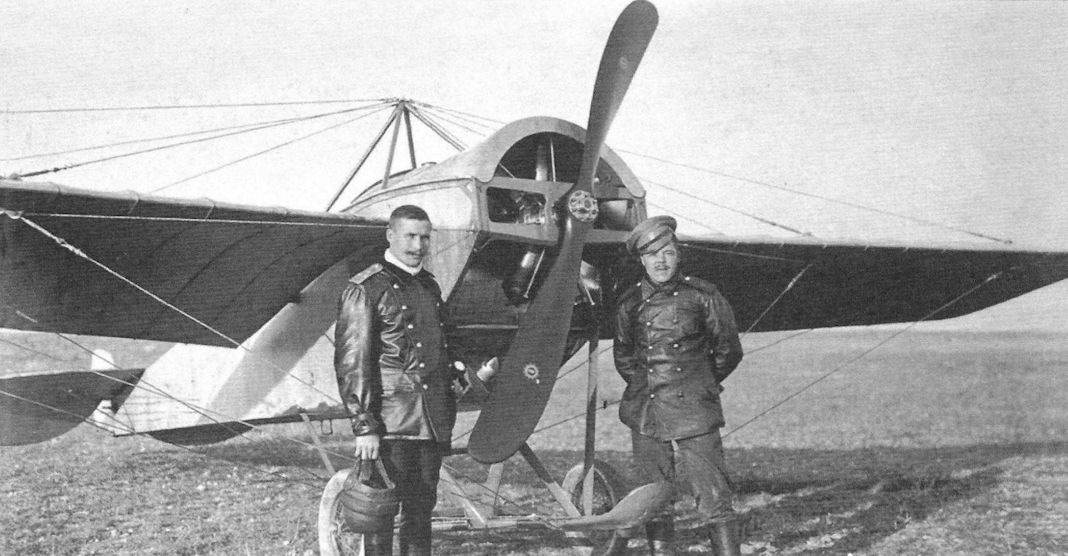
In one of the first instances of RIVVF aerial photography being recognized making a positive difference in battle, Voyennyy Letchik Poruchik Pyotr Klepikov (on the left) flying with 14th KAO in support of Ninth Army, stands next to his Nieuport IV mechanic. Klepikov was awarded the Order of St. Anne, 3rd Class for his successful aerial photography of k.u.k. Armee positions in the campaigns of 1914.

Nieuport IV assigned to 14th KAO of Ninth Army being readied for take off for aerial reconnaissance mission over Galicia.

12th KAO operating with Nieuport IV aeroplanes supported Gen.kav Brusilov's Eighth Army for the entire war. Mechanics doing final servicing of the Nieuport IV before the next flight.
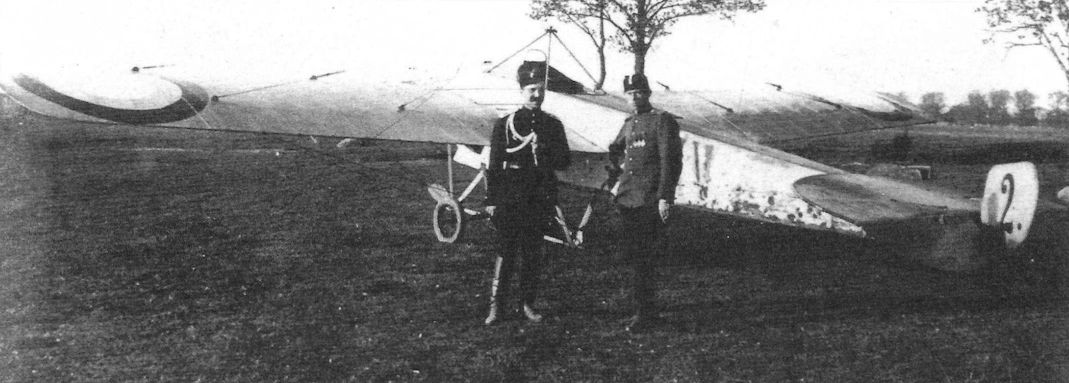
Starshiy Unter-Ofitser Chistokletov was a recipient of two St. George's crosses.
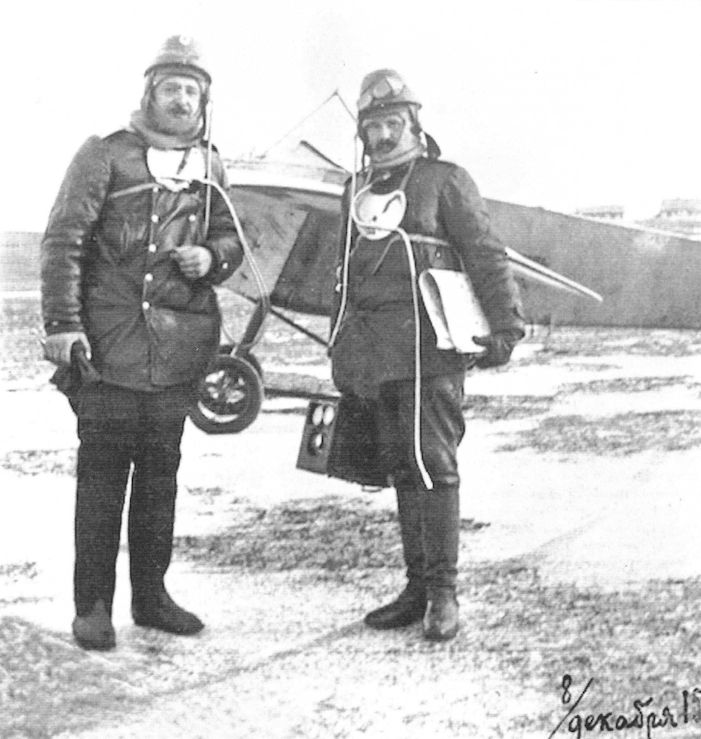
RIVVF aviators in front of their Nieuport IV show the essentials for their flight. Both have tubes serving as communication devices - attached via the breastplate. The noise from the motor and airstream made normal conversation impossible. The observer holds an Ul'yanin aerial camera and essential maps for the mission.
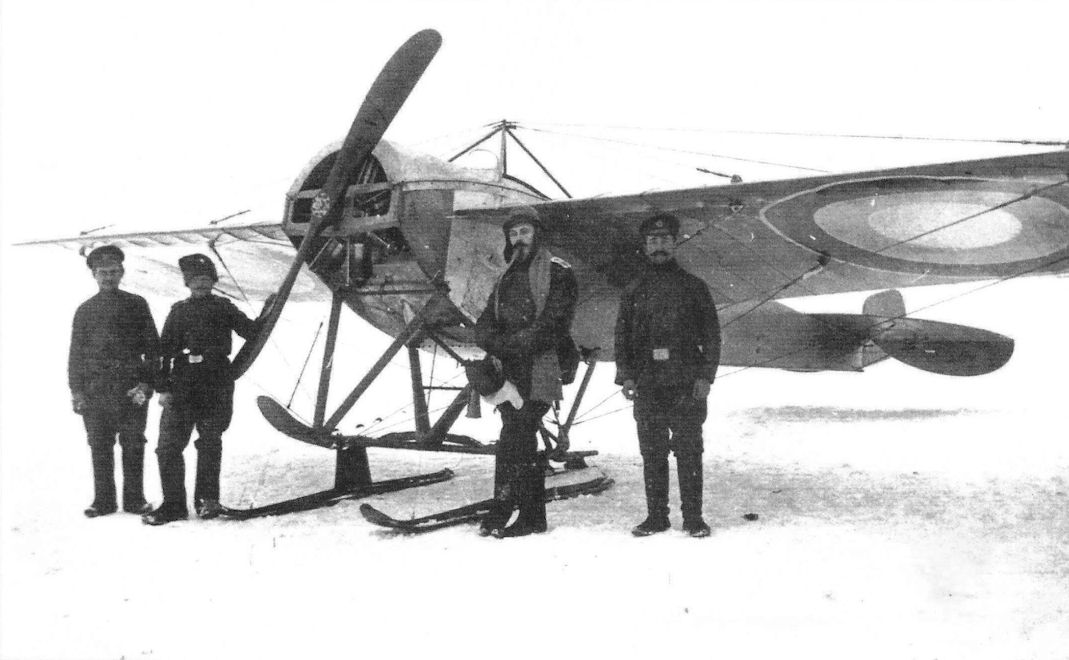
RIVVF aviator Alexander Nakonechny and mechanics from 13th KAO supporting Twelfth Army on the Northwestern Front in late 1915 is about to fly in his Nieuport IV outfitted with ski landing gear.